
Chlorine dioxide tablets are revolutionizing disinfection practices worldwide.
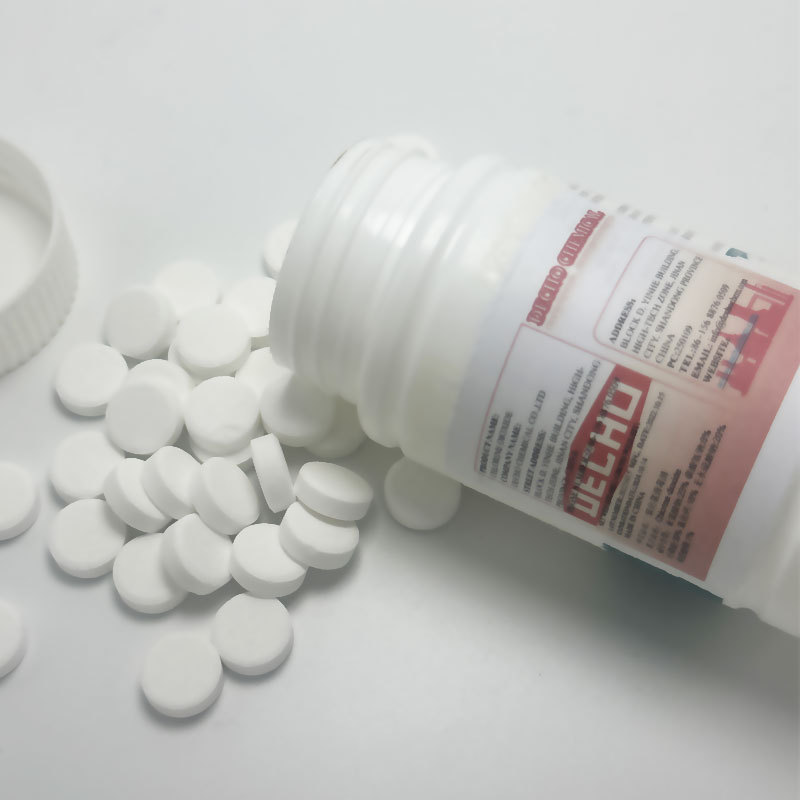
What Are Chlorine Dioxide Tablets?
Chlorine dioxide (ClO₂) is a potent oxidizing agent and disinfectant first synthesized in 1811 by Sir Humphry Davy.
It exists as a yellow-to-reddish gas with a sharp odor and is highly soluble in water. Modern applications leverage
its stability and efficacy through effervescent tablets, which release ClO₂ when dissolved. These tablets are widely
used for water purification, surface disinfection, and industrial sanitation.
Key Properties of ClO₂
- Chemical Formula: ClO₂
- Molar Mass: 67.45 g/mol
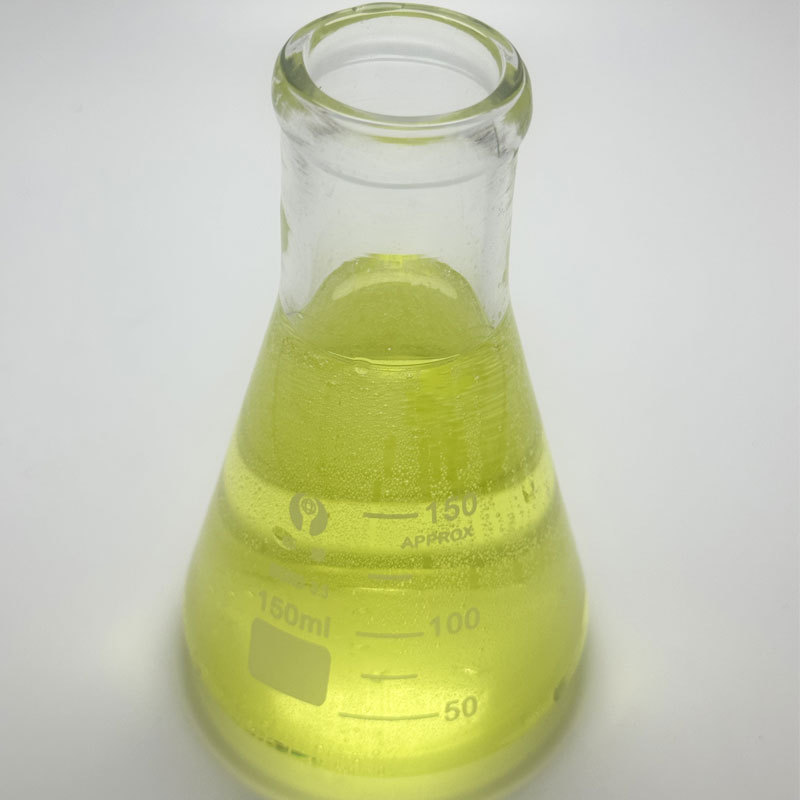
- Appearance: Yellow to reddish gas (tablets dissolve to release ClO₂ gas).
- Safety: Unlike chlorine, ClO₂ does not form harmful trihalomethanes (THMs) during disinfection, making it safer for drinking water.
Historical Development
ClO₂ gained prominence in the 1930s with industrial production methods like the Mathieson process. By the 1950s, it became a
gold standard for water treatment in Europe and North America. Today, advancements in stabilization technology allow its use in
portable tablet form, ideal for emergency disinfection and household applications.
Applications of ClO₂ Tablets
1. Drinking Water Treatment
Eliminates pathogens like E. coli and viruses without altering water taste.
Used in municipal systems, rural wells, and disaster relief (see Figure 2).
2. Surface Disinfection
Hospitals and labs use ClO₂ tablets to sterilize equipment and surfaces.
Effective against biofilms and drug-resistant bacteria.
3. Food and Beverage Industry
Sanitizes processing equipment and extends product shelf life.
4. Aquaculture and Agriculture
Controls algae and pathogens in fish farms and irrigation systems.
Advantages Over Traditional Disinfectants
- Broader Spectrum: Kills bacteria, viruses, and protozoa at lower concentrations.
- No Harmful Byproducts: Unlike chlorine, ClO₂ avoids THM formation.
- Stability: Tablets have a long shelf life and activate quickly in water.
How to Use ClO₂ Tablets
1. Dosage: Typically 1–2 tablets per liter of water (adjust based on contamination level).
2. Activation: Dissolve tablets in water; wait 10–15 minutes for full gas release.
3. Safety: Use gloves and ensure proper ventilation during handling.
Safety Considerations
- Avoid inhaling ClO₂ gas directly.
- Store tablets in a cool, dry place away from children.
- Follow local regulations for industrial-scale applications.
Conclusion
Chlorine dioxide tablets offer a versatile, eco-friendly solution for modern disinfection needs. From ensuring safe drinking
water in remote villages to maintaining sterile environments in hospitals, their impact spans industries and saves lives. As global
hygiene standards evolve, ClO₂ tablets are set to play an even greater role in public health.
References:
- Historical data from Journal of Water Chemistry (2024).
- Safety guidelines by WHO (2025).
For more information, visit ExampleDisinfectionTech.com.
Image Credits:
- Header image: "ClO₂ Tablets" by EnviroSafe Labs.
- Infographic: Designed by WaterHealth International.
This blog combines scientific accuracy with practical advice, tailored for readers seeking reliable disinfection solutions.